
For many entrepreneurs, success starts with a simple ambition: build something that gives you more choices. More control over a schedule. More opportunities for the people they love. More room to be present for the moments that matter. Yet somewhere between the first customer and the next growth target, that original ambition can get lost.
A business meant to create freedom can gradually demand every available hour. Even successful owners may find themselves answering messages during dinner, postponing family plans, and measuring progress almost entirely in revenue. The challenge is not whether to work hard. It is how to build a company that does not require its founder to do everything forever.
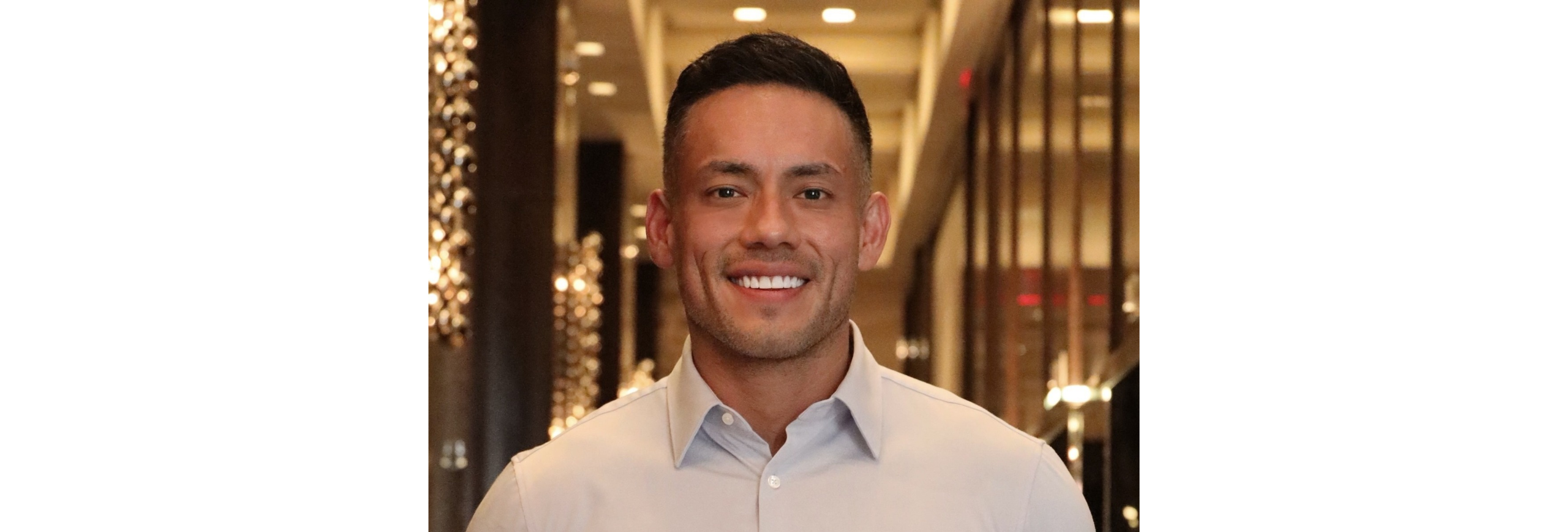
On his official website, Paul puts that purpose plainly: “Business is what I build. Family is why I build it.” He views business ownership as something that should support a meaningful personal life, not compete with it.
In an episode of The Level Up Podcast about parenting and entrepreneurship, Paul describes how his son Maverick’s birth changed the way he worked. “When my son Maverick was born, the entire equation changed overnight,” he says. The point was not to abandon ambition, but to make the business adaptable to family life.
Freedom Requires More Than Revenue
Revenue can tell an owner whether a business is growing. It cannot, by itself, reveal whether that owner has built a sustainable life. Someone can reach a financial milestone and still feel unavailable to a spouse, children, or friends. That is why a more useful definition of success includes time, stability and the ability to make deliberate choices.
Entrepreneurs can begin by identifying what they actually want their businesses to make possible. For one person, it might be attending a child’s school activities without constant interruptions. For another, it could mean taking a family vacation or having predictable evenings at home. Those priorities are not distractions from business planning. They are reasons to make a plan in the first place.
The next step is to translate personal priorities into operating decisions. A founder who wants protected family time needs more than good intentions. Clear working hours, defined responsibilities, and reliable support systems make those boundaries practical.
Build Systems Before You Need Them
Many founders begin as the salesperson, customer service representative, and operations manager. That level of involvement can help a young business find its footing, but it becomes difficult to maintain as demand increases. Without documented processes, every question returns to the founder, and growth creates pressure instead of flexibility.
Delegation is not simply handing tasks to someone else. It means setting expectations, training people, giving them the tools to succeed, and deciding how you’ll measure results. When responsibilities are clear, employees can make routine decisions without waiting for the owner. Customers also benefit from a more consistent experience.
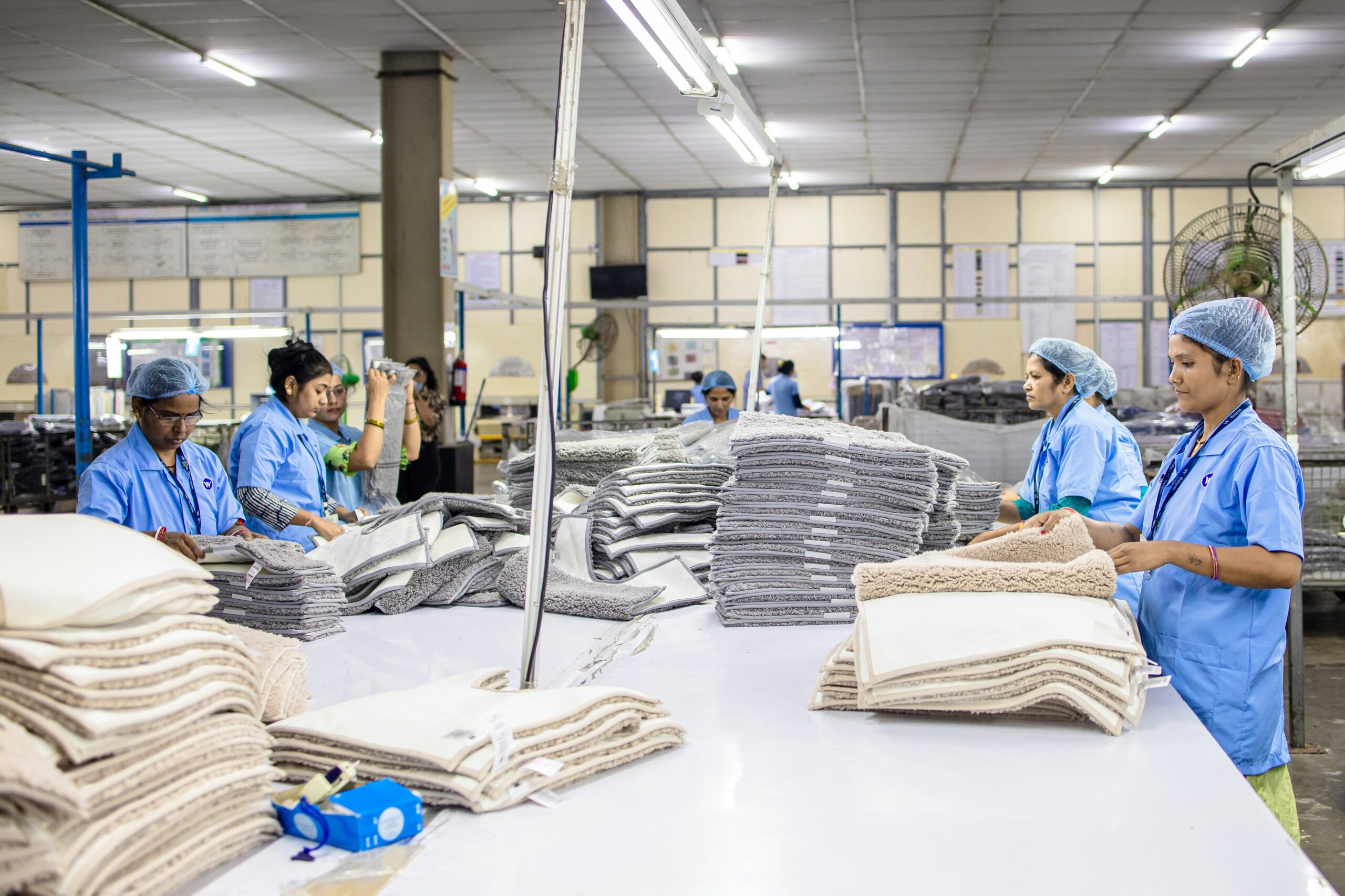
CashSwipe’s merchant services model illustrates the importance of infrastructure. The company describes a business built around merchant placement, onboarding, training, and ongoing support. Those functions require coordination among people and processes. The broader lesson for entrepreneurs is that a company becomes more resilient when service doesn’t depend on one person being available at all times.
Paul returns to this idea in another podcast episode: “Your legacy is built at the dinner table, not just in the boardroom.” For entrepreneurs, that means treating an evening at home as a commitment worth protecting, not an optional reward after every task is finished.
Protect Time as Deliberately as Money
Business owners often monitor revenue, expenses, and sales activity closely while treating their calendars as an unlimited resource. Time deserves the same discipline. Scheduling uninterrupted family activities, establishing communication expectations and deciding which issues genuinely require an immediate response can reduce the feeling of always being on call.
This does not mean that every week will be perfectly balanced. Launches, deadlines and unexpected problems are part of entrepreneurship. The goal is not an equal division of hours every day. It is a business that can absorb demanding periods without permanently pushing personal relationships aside.
It also helps to revisit the definition of success as the company grows. An entrepreneur’s priorities may change with a new child, an aging parent, or a different stage of business. A sustainable company should be adaptable enough to reflect those changes.
The Legacy Behind the Business
Entrepreneurs frequently talk about leaving a financial legacy. But family members also experience the legacy of an owner’s attention, decisions, and values. A thriving company can provide opportunities for the next generation, while the way it is built can demonstrate responsibility, service and commitment.
For Paul Alex, the connection between family and business is not a seasonal message reserved for a holiday. It is part of entrepreneurship’s larger purpose. The most meaningful measure of a company’s success may be whether it creates the freedom its founder set out to achieve.
A business should grow. So should the life it was created to support.
Written in partnership with Tom White