
The next breakdown in education won’t come from a weak curriculum. It will come from students who are overwhelmed and don’t know how to manage it.
For years, education systems have raised standards, added more content, and introduced new technology. Deveren Fogle has watched that expansion from the inside. As an executive function specialist and founder of Uluru, he has worked closely with students who understand the material but struggle to handle the volume, pace, and independence modern schooling demands.
His main goal is not to pile on more tasks or rules. It’s to make the foundation stronger so everything else works better.
He thinks student support should focus on building skills early, not just fixing problems after failure. Too often, help comes only when grades drop or motivation fades; by then, students are already frustrated. His goal is to make the learning process clear before things get that far.
Uluru was designed around that idea. Instead of focusing only on what students complete, it tracks how they work. How accurately they estimate time. Whether they build consistency across a week. Where patterns begin to slip. These details may seem small, but they shape long-term independence.
His ideas align with what Owen Lewis says about focusing on long-term growth instead of short-term results. The idea is simple: real progress comes from strengthening how students think and organize, not just from grades or test scores. When students understand their own habits, they can use those skills in the future. This approach is guiding the next steps for Uluru.
He sees the platform as part of a bigger system that helps students at every stage of life. Planning in middle school is not the same as planning in high school, and high school is not the same as university, especially when students start living on their own. As challenges change, the support they get should change too.
Another important part of his vision is involving families. Students spend most of their time outside school, so support can’t stop in the classroom. Deveren wants Uluru to help parents see not just grades, but patterns and effort. When families notice early signs, like inconsistent work or unrealistic time estimates, they can guide students before frustration sets in.
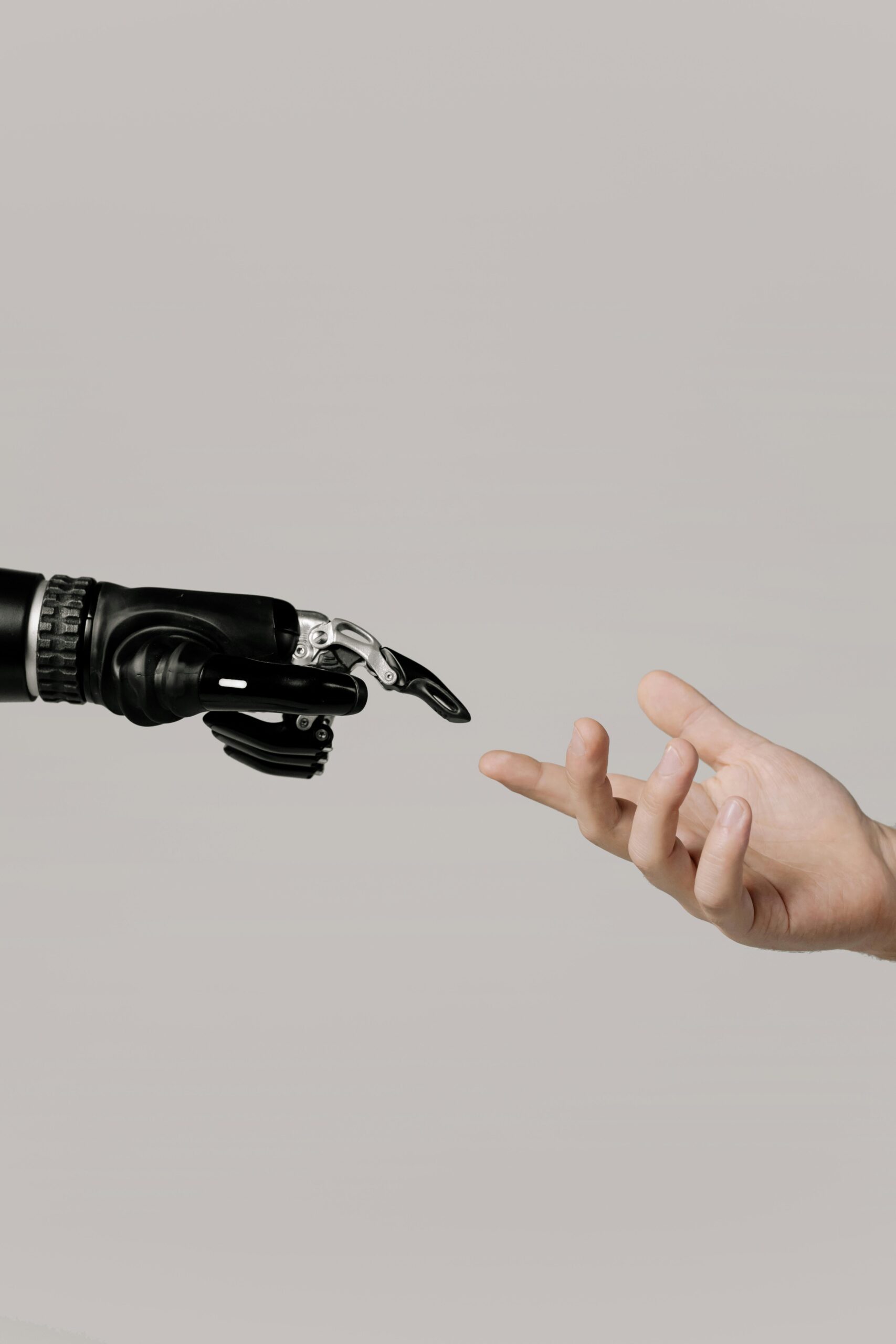
He is also careful about technology. With AI and automation growing in education, he believes tools should help students think, not do everything for them. If a platform removes all obstacles, students miss the chance to build resilience. Some challenges, in the right amount, are essential for growth, and his long-term plan keeps that balance in mind.
For him, global expansion is not just about reaching more students. Executive function challenges exist in every country and school system. The pressure may look different, but the core problem is the same: students are expected to handle complex tasks without being taught how.
His vision is calm and purposeful, not dramatic. He aims for fewer students to reach a breaking point before getting help, for schools to spot patterns early, and for capacity building to be a normal part of learning, not just a fix for struggling students.
Education will keep changing, new content, new technology, but students will always need to plan, adapt, and keep putting in effort. Deveren Fogle’s long-term focus is clear: strengthen the internal systems that support learning, and everything else becomes easier to handle, not simpler, but stronger.
Written in partnership with Tom White