
Why you only need to wash these sheets one-third as often sounds too good to be true. Most people wash their sheets weekly to combat bacteria, dead skin cells, and odor buildup. That adds up to 52 laundry loads per year just for bedding alone. The constant cycle of stripping, washing, drying, and remaking beds consumes time, energy, and money.
Antimicrobial sheets change this equation entirely through silver-based technology that actively inhibits bacterial growth. These innovative fabrics allow you to extend washing intervals from weekly to every three weeks. The reduction happens without compromising hygiene or freshness between washes.
Understanding how antimicrobial technology works helps you appreciate why these sheets stay cleaner longer. The science behind reduced washing needs connects directly to preventing the bacterial proliferation that makes regular sheets smell bad.
What Makes Regular Sheets Need Weekly Washing
Regular cotton and synthetic sheets accumulate bacteria at alarming rates during normal use. Each night, you shed approximately 15 million skin cells into your bedding, according to research. Your body also releases up to half a pint of sweat while sleeping.
These organic materials create perfect conditions for bacterial multiplication in fabric fibers. Studies show that unwashed sheets harbor three million to five million colony-forming bacterial units per square inch after just one week. The CDC guidelines on laundry and bedding confirm that contaminated textiles can harbor substantial numbers of pathogenic microorganisms.
Common bacteria found in bedding after one week include:
- Staphylococcus aureus from skin contact
- Bacillus species from environmental exposure
- Gram-negative bacteria that cause odors
- Dust mites feed on accumulated skin cells
This microbial growth creates the musty smell most people associate with sheets needing washing. The bacteria metabolize skin oils and sweat, producing volatile compounds that smell unpleasant. Without antimicrobial protection, this process begins immediately after putting on fresh sheets.
How Silver-Infused Technology Prevents Bacterial Growth
Silver has been used as an antimicrobial agent for centuries across medical applications. Modern textile technology harnesses silver’s bacteria-fighting properties through nanoparticle integration directly into fabric fibers.
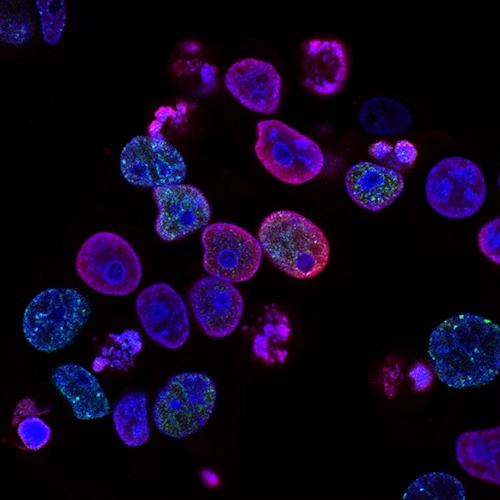
Research published in Applied and Environmental Microbiology demonstrates that silver nanoparticles exhibit antimicrobial activity against diverse bacterial species. The silver disrupts bacterial cell membranes and interferes with metabolic processes necessary for survival.
When integrated into bedding, silver ions continuously release at microscopic levels from the fabric. These ions actively prevent bacterial colonization on sheet surfaces between washes. The technology doesn’t eliminate all bacteria but reduces populations by up to 99.9% compared to untreated fabrics.
The antimicrobial effect remains active through hundreds of wash cycles without degrading significantly. Silver bonding occurs at the molecular level during manufacturing, making it permanent rather than a surface coating.
Why This Means One-Third the Washing Frequency
Antimicrobial sheets maintain the bacterial load of day-one freshness for approximately three weeks. Regular sheets reach problematic bacteria levels requiring washing within seven days. This three-fold difference directly translates to washing frequency reduction.
Standard recommendation calls for weekly sheet washing to maintain hygiene and prevent odor. With antimicrobial technology, you can extend this to every three weeks safely. The sheets stay fresher because bacterial populations remain controlled throughout the extended period.
Research from NCBI on silver antimicrobial activity confirms that silver-treated materials demonstrate prolonged antimicrobial effectiveness. The silver continues working between washes, preventing the bacterial buildup that makes regular sheets smell bad.
This reduction means 17 annual washes instead of 52 for the same hygiene standards. The time savings, water conservation, and energy reduction add up substantially over a year.
Real Hygiene Benefits Beyond Washing Frequency
Reducing bacterial growth on sheets provides health advantages beyond just convenience. Lower bacterial populations mean fewer allergens, reduced skin irritation potential, and better overall sleep environment quality.
People with sensitive skin often experience fewer breakouts and irritation using antimicrobial bedding. The reduced bacterial presence means less interaction between skin and microorganisms during sleep. Acne-causing bacteria have fewer opportunities to transfer from sheets to facial skin.
Allergy sufferers benefit from decreased dust mite populations on antimicrobial sheets. Dust mites feed primarily on dead skin cells and bacteria. With fewer bacteria present, mite populations grow more slowly between washes.
The antimicrobial properties also benefit immune-compromised individuals who need extra protection from bacterial exposure. Hospital-grade silver dressings use similar technology for wound care and infection prevention.
Our bedding incorporates medical-grade silver technology for continuous freshness between extended washing intervals.
Environmental Impact of Washing Less Frequently
Reducing sheet washing from weekly to every three weeks creates substantial environmental benefits. Each avoided wash cycle saves approximately 15 gallons of water and significant energy for heating.
Annual water savings total over 500 gallons per bed when extending wash intervals. The energy reduction from fewer dryer cycles and hot water use lowers the household carbon footprint measurably. Detergent consumption drops proportionally, reducing chemical release into water systems.
Fabric longevity improves dramatically when subjected to fewer wash cycles over time. The mechanical stress and chemical exposure from washing gradually break down textile fibers. Sheets washed 17 times annually last significantly longer than those washed 52 times.
This extended lifespan means replacing bedding less frequently, further reducing environmental impact from manufacturing and shipping. The combination of reduced washing and longer product life creates compounding sustainability benefits.
How Antimicrobial Sheets Compare to Alternatives
Several alternatives promise reduced washing needs, but most rely on temporary solutions rather than permanent technology. Fabric sprays and detergent additives provide short-term antimicrobial effects that disappear after use.
Bamboo and eucalyptus sheets claim natural antimicrobial properties through fiber characteristics. However, these materials show minimal actual bacteria reduction compared to silver-infused technology. The natural fibers resist bacteria slightly better than cotton but still require weekly washing.
Copper-infused fabrics offer antimicrobial benefits similar to silver but often cost more. Copper provides effective bacterial control but may discolor over time with repeated exposure to sweat.
Silver technology balances effectiveness, durability, and cost better than most alternatives. The proven track record in medical applications demonstrates reliability over time.
Browse our towels featuring the same silver technology that keeps bathroom textiles fresher between washes.
Does This Mean You Never Wash Antimicrobial Sheets
Antimicrobial sheets still require regular washing despite extended intervals between cycles. The silver prevents bacterial growth but doesn’t eliminate dead skin cells, oils, or dust accumulation. These materials still build up over three weeks and need removal.
The recommended three-week interval represents maximum extension while maintaining freshness and hygiene. Some situations warrant more frequent washing regardless of antimicrobial protection.
Wash antimicrobial sheets more often when:
- Illness occurs and bodily fluids contact bedding
- Excessive sweating from hot weather or night sweats
- Pets sleep regularly on the bed
- Visible stains or spills require immediate cleaning
The technology eliminates bacteria-driven odors and contamination but doesn’t address all cleanliness needs. Think of it as extending the natural freshness period rather than eliminating washing entirely.
When you do wash antimicrobial sheets, follow care instructions carefully. High heat and harsh chemicals can potentially reduce silver’s effectiveness over time. Most silver-infused bedding maintains antimicrobial properties through 100+ wash cycles with proper care.
What to Expect When Switching to Antimicrobial Sheets
Most people notice the freshness difference within the first week of using antimicrobial bedding. Regular sheets develop a slightly stale smell after five to seven days of use. Antimicrobial sheets maintain day-one freshness well into the second and third weeks.
The lack of bacterial odor surprises many first-time users accustomed to regular sheet smell patterns. You might actually forget how long sheets have been on the bed because they don’t trigger the usual freshness reminder.
Some people continue weekly washing initially out of habit before trusting the extended intervals. This transition period helps you verify that the technology works as promised for your specific situation.
Individual results vary based on body chemistry, sleep temperature, and environmental factors. Most users successfully extend to three-week intervals while maintaining complete satisfaction with freshness.Visit Miracle Made to explore our complete line of antimicrobial bedding that reduces your laundry burden while improving sleep hygiene.
Written in partnership with Tom White