
Image credit: Pexels
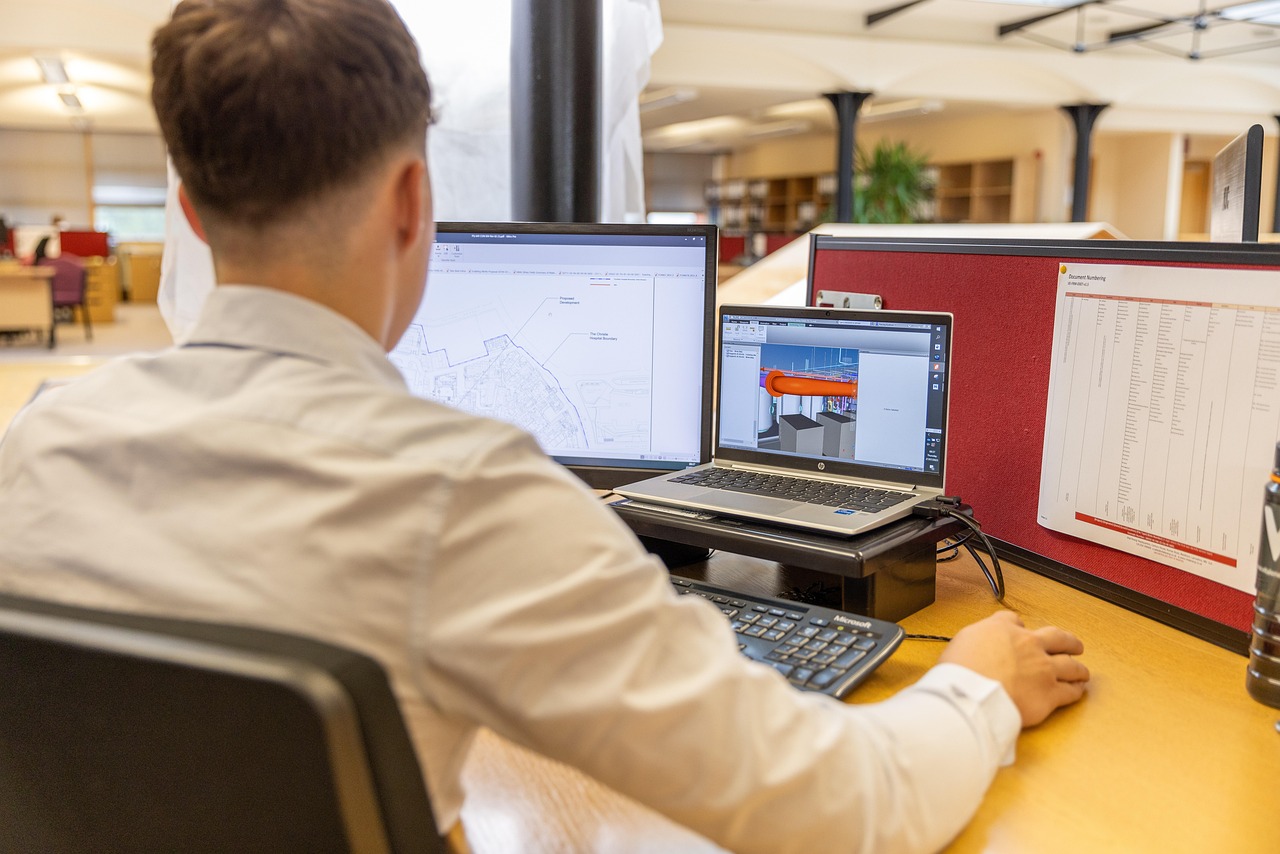
Software development has witnessed a profound transformation in recent years. As generative AI continues to dominate everyday engineering workflows, the change in the role of software engineers is becoming more visible. Developers are no longer burdened with the volume of code they write; instead, they are now responsible for managing intelligent systems, designing architectures, and supervising AI-driven outputs. This transition doesn’t hint at replacing human teams but at the evolution of their roles.
The Rise of the AI Assistant in Engineering
Many engineering teams are now seeking the support of standard AI tools such as Claude and ChatGPT. These systems are generating boilerplate code, identifying bugs, and suggesting alternative implementations with a kind of precision and speed that traditional development cycles cannot match. Companies are leveraging AI tools to reorganize engineering processes for accelerating production while maintaining scale and consistency. This is creating a workflow where machines are handling repetitive tasks while engineers are focusing on higher-level decision-making.
AITX emphasizes the importance of AI in job evolution, not elimination. AI helps automate simple development, while complex enterprise work requires essential “superstar” developers.
“I’ll tell you that humanity doesn’t care about creating jobs for humanity, right? Of course. But on the other hand, I’ll say that humanity is a secret weapon. And the secret weapon is humans’ inevitable, continual, unstoppable drive to innovate,” says Steve Reinharz, CEO and CTO of AITX.
New Roles and Responsibilities for Engineers
As AI systems generate an estimated 70–80% of code in some organizations, engineers are dedicating their time to architectural design, system validation, and system integration. Their current role involves designing prompts and evaluating output while managing the entire system.
“You become more like a manager than a coder… developers are going to become more like managers of their own agents of AI and rejecting, approving different tasks on the pipeline,” said Jorge Trujillo, Co-founder of Invent AI.
This managerial shift places accountability back on the engineer, even as AI handles much of the execution.
The Human Element: Why Engineers Still Matter
AI systems demonstrate successful performance, but their capacity to understand business objectives, regulatory limitations, and real-world requirements remains absent. Engineers serve as critical personnel who need to identify the correct problems and interpret AI results while they monitor actual business operations.
“I always feel like there has to be some kind of human element to this… AI is an assistant, not a replacement,” said Rob Illidge, CEO of Vulse.
This human oversight acts as a safeguard, preventing speed from overriding judgment.
The Rise of Non-Technical AI Builders
Alongside professional engineers, a new group of AI-enabled builders is emerging. Known as “vibe coding,” this approach allows subject-matter experts to prototype tools and workflows using AI without formal programming backgrounds. The trend is lowering barriers to entry and expanding who can participate in software creation.
“If you have the experience in any industry… VibeCoding is the perfect path to be able to accomplish that,” said Troy Doucet, Founder of AI Law.
This democratization is changing innovation pipelines across sectors.
Education, Talent, and the Generational Shift
Traditional software education models are struggling to keep pace with the rapid evolution of AI tools. In response, companies are increasingly hiring students and recent graduates who are already fluent in AI-assisted development.
“We’ve hired a lot of students and graduates because they are very switched on to AI technologies… It saves them 30% of their time,” said Illidge, CEO of Vulse.
This generational shift is influencing how teams are built and how productivity is measured. Onyx Platform emphasizes the benefit of companies built on AI from day one, as they have the advantage over incumbents attempting to transform legacy systems.
“Can companies that have been around for 20 years really, truly change their systems and the way in which they do things to really embrace what AI can do for you?” says Allison Arzeno, CEO of Onyx Platform. “I think those are very interesting because creating a new thing in this era is just different from trying to transform something that already exists.”
Final Thoughts
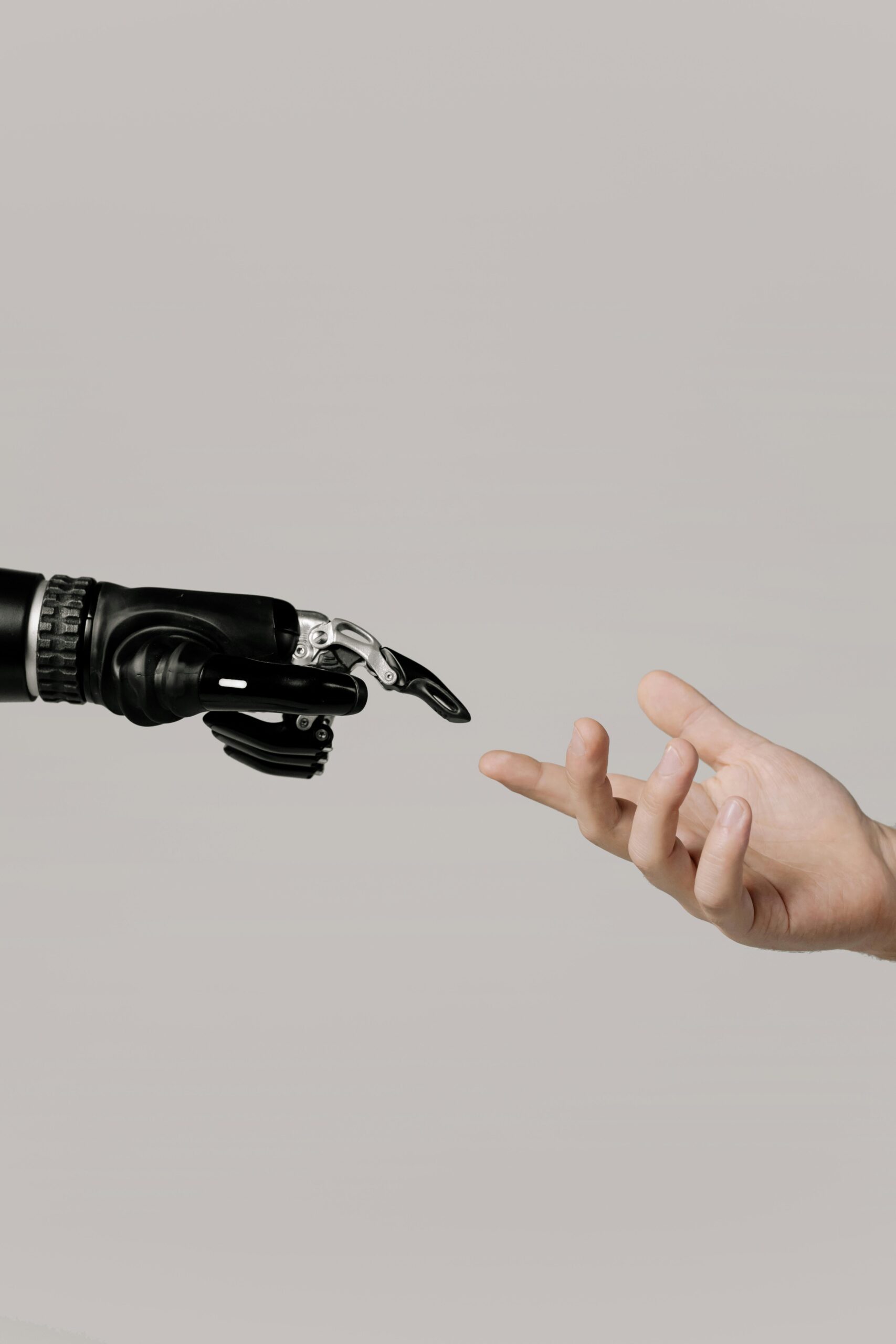
AI is not replacing software engineers but redefining their role. As coding gives way to orchestration, those who can guide, evaluate, and build alongside AI will remain relevant in the evolved future of this profession.